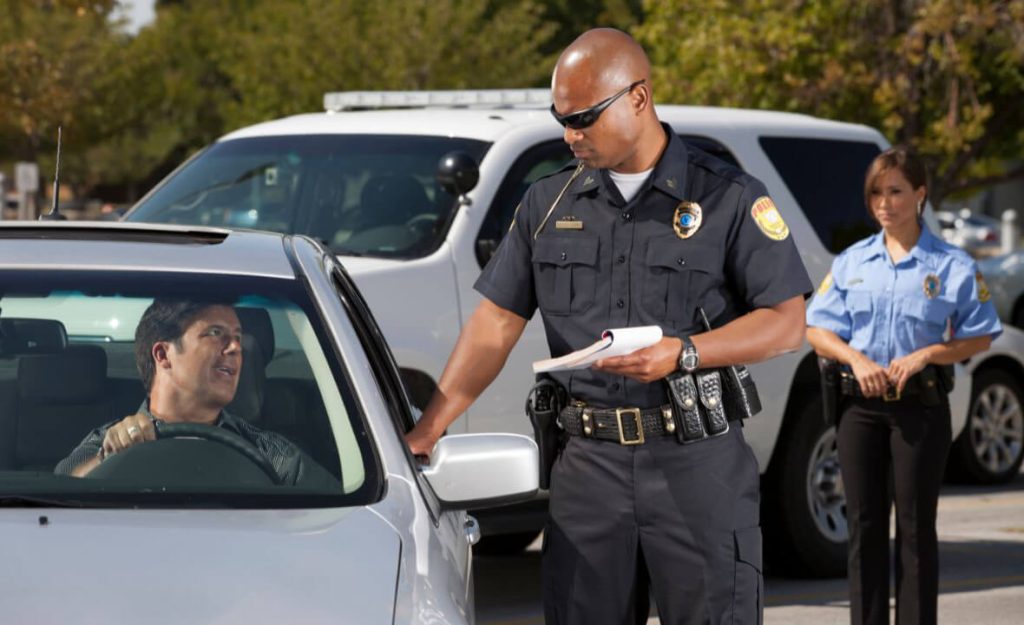
Navigating the complexities of traffic court can be as perplexing as deciphering road signs in a foreign country. When you receive a traffic citation, a whirlwind of questions may swirl in your mind, with one of the most pressing being: “Do I need a lawyer for traffic court?” This blog post aims to guide you through the intersection of legal advice and traffic violations, ensuring that you make informed decisions without losing your way.
Understanding Traffic Court and Your Rights
Before we shift gears into the heart of the matter, it’s essential to understand what traffic court is. It’s a specialized judicial process for handling non-criminal traffic offenses, including speeding, running a red light, or failing to signal. Here, the stakes are usually lower than in criminal court, but that doesn’t mean the outcomes can’t impact your life significantly.
Know the Rules of the Road (and Court)
Just as every driver should know the rules of the road, every defendant should understand the rules of traffic court. Depending on your location, the process can vary. Some jurisdictions allow for a pre-trial negotiation or “plea bargain” with the prosecutor, which might reduce your charges without a trial. Other areas might require a formal hearing for every ticket.
Assessing the Need for Legal Representation
When deciding whether to hire a lawyer for traffic court, consider the following:
The Complexity of Your Case
If you’re dealing with a straightforward ticket and you’re planning to plead guilty and pay the fine, you might not need an attorney. However, if you’re facing severe charges that could result in hefty fines, points on your driving record, or even the suspension of your license, legal representation could be invaluable.
Potential Consequences and Long-Term Impact
Evaluate the long-term consequences of your traffic citation. A lawyer can help mitigate the potential impact on your insurance rates, driving privileges, and even your employment if your job requires a clean driving record.
Your Comfort Level and Legal Understanding
Are you comfortable speaking in public and advocating for yourself? Do you have a firm grasp of traffic laws and court procedures? If not, a lawyer can provide the confidence and expertise you need.
When a Lawyer Can Make a Difference
Having a lawyer by your side can be particularly beneficial in certain situations:
- Multiple Offenses: If you have multiple infractions, a lawyer can often negotiate better than you could on your own.
- Serious Charges: For serious charges, like DUI or reckless driving, a lawyer is almost always necessary.
- Commercial Drivers: If you’re a commercial driver, the stakes are even higher. A traffic violation can jeopardize your professional license and your livelihood.
- Mitigating Circumstances: Perhaps there were mitigating circumstances for your violation, or you believe you were wrongfully cited. A lawyer can effectively present these arguments in court.
DIY Representation in Traffic Court
If you opt to represent yourself, preparation is key. Gather evidence, such as photographs of obscured signs or signals, and be ready to clearly and concisely present your case. Always dress professionally, arrive early, and treat court officials with respect.
Conclusion: Balancing the Scales
In the end, whether you need a lawyer in traffic court depends on the specifics of your situation. For minor infractions, you may navigate the process solo. But when the repercussions of a traffic citation could take a severe toll on your daily life, an experienced attorney might be the best co-pilot to help you clear your name and keep your driving record in check.